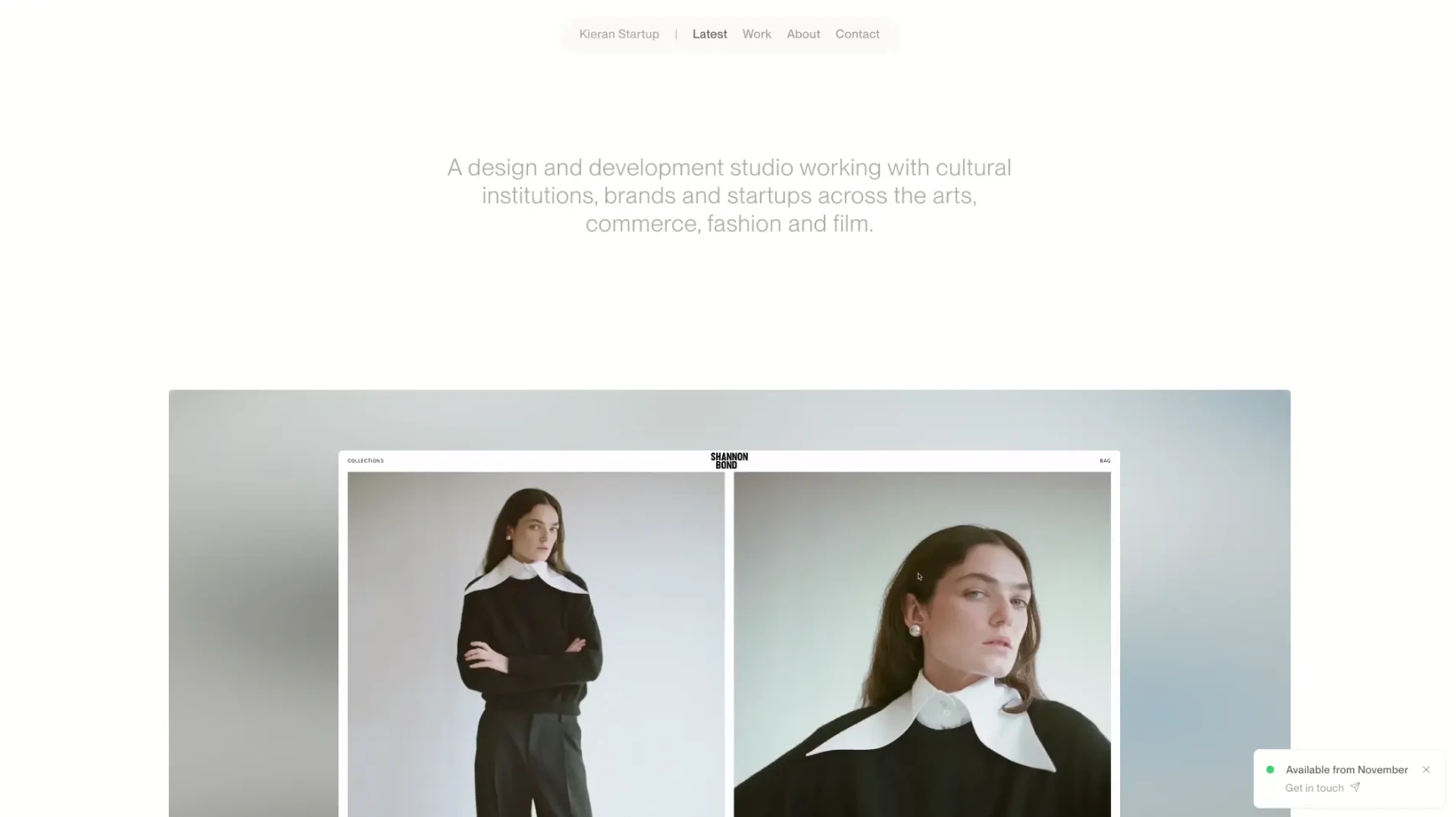
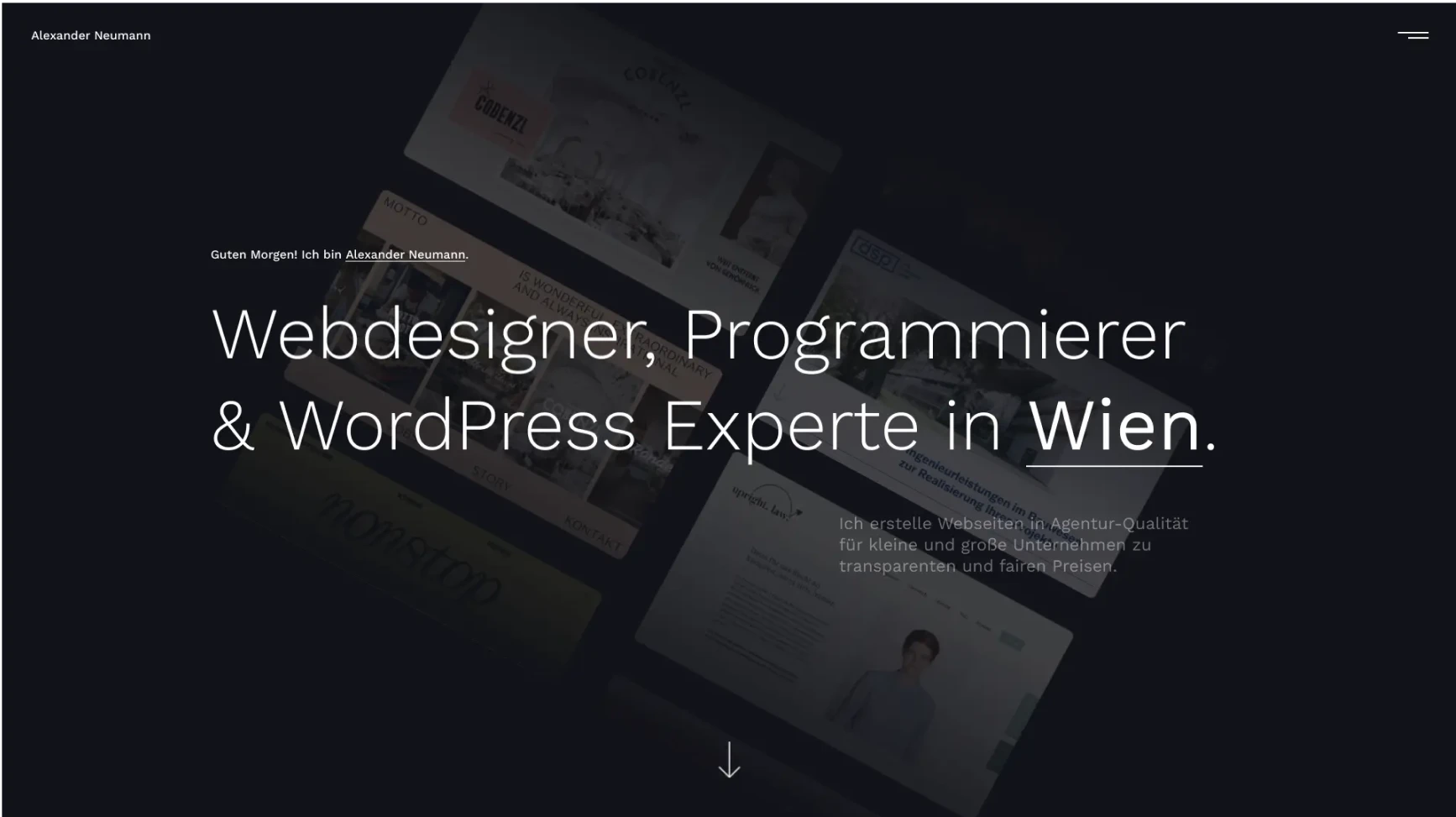
Why I Built My Portfolio
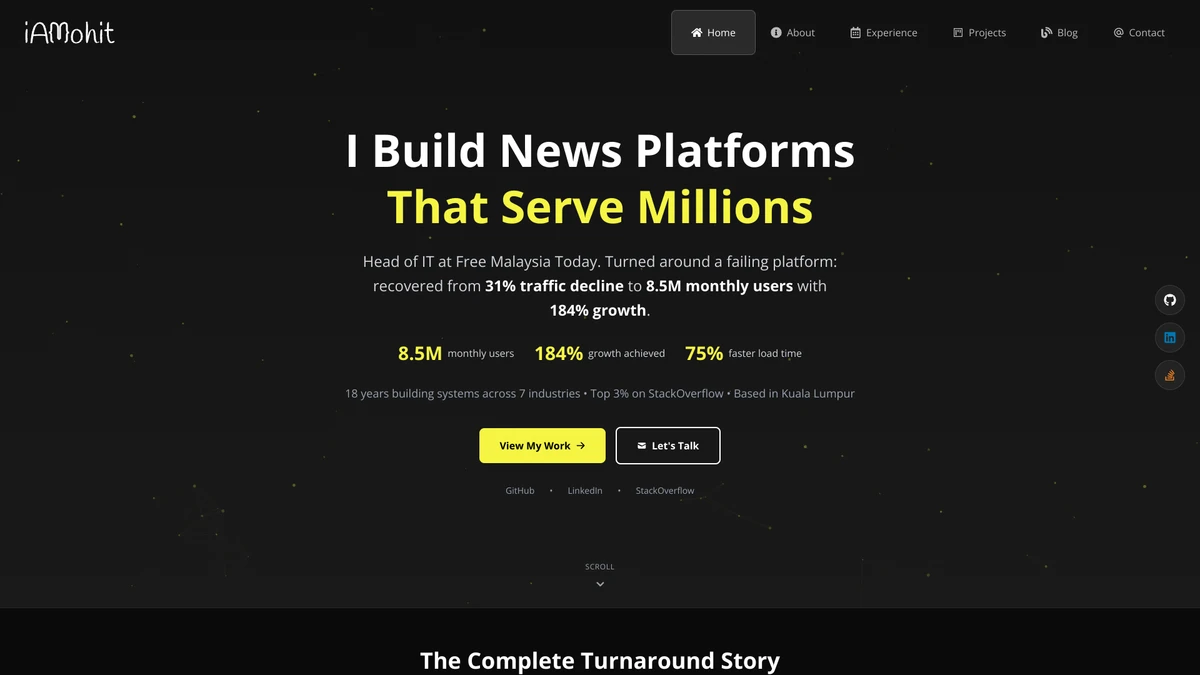
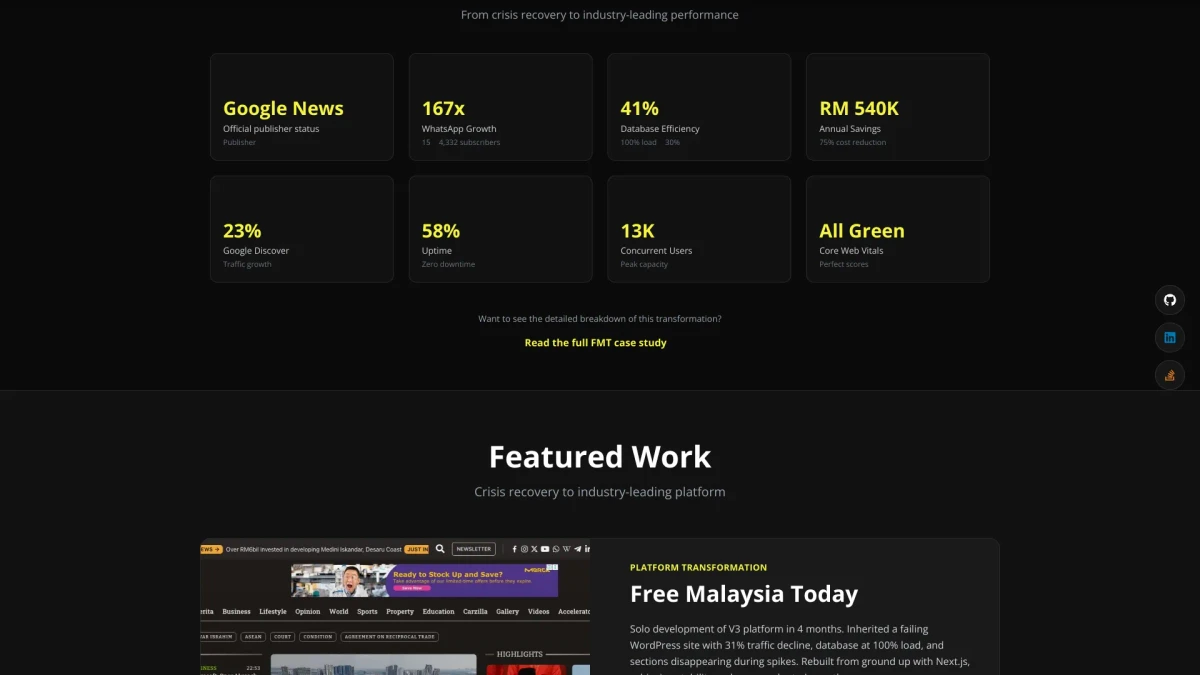
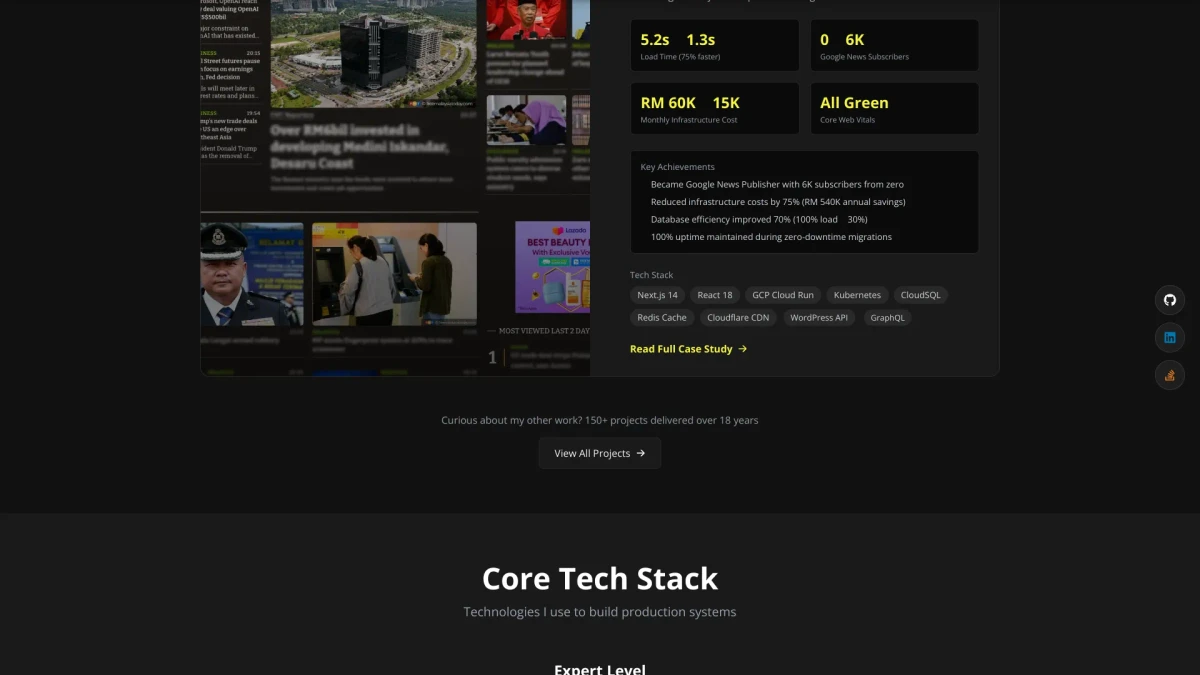
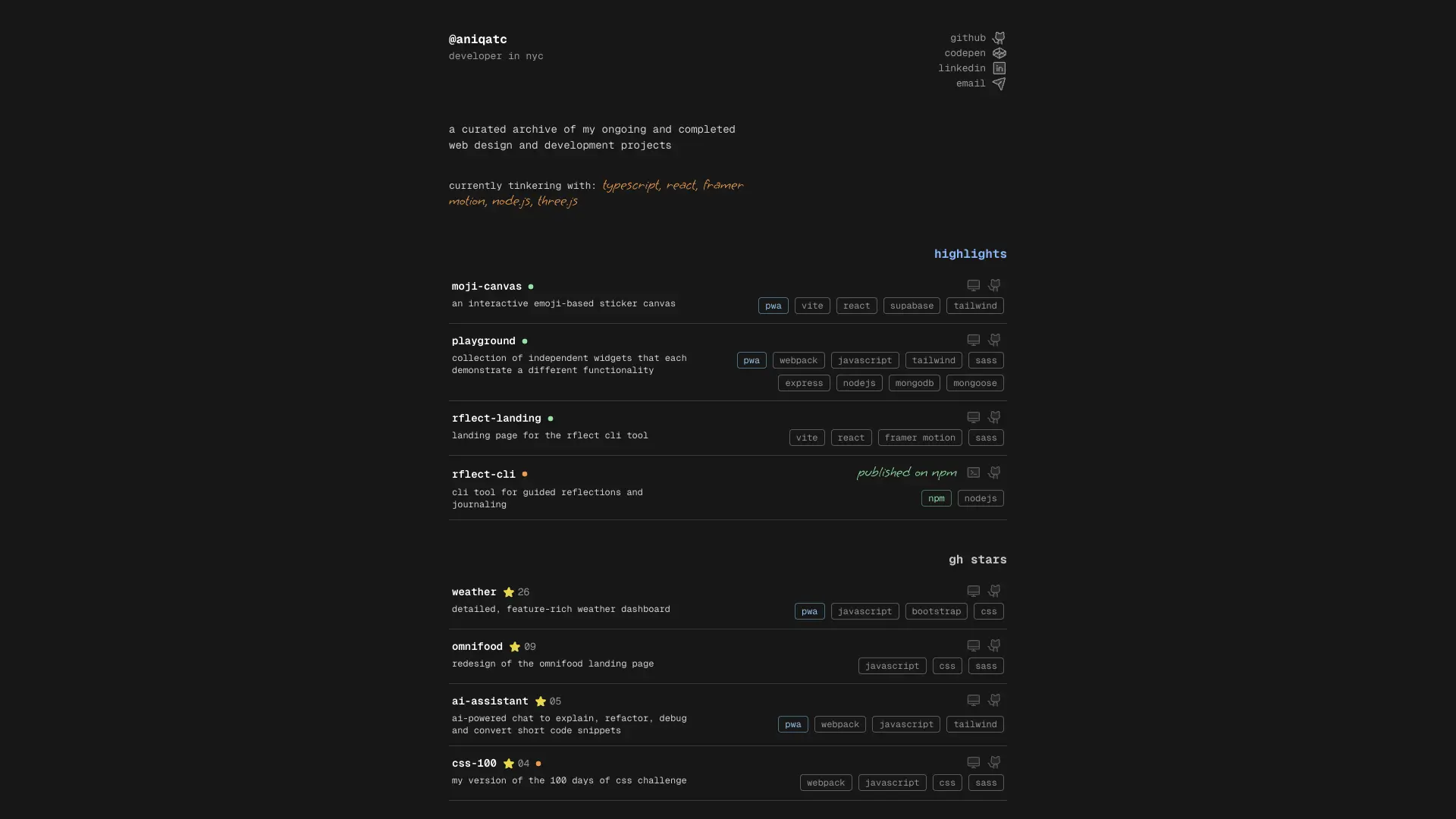
After scaling FMT to 8.5M users and becoming a Google News Publisher, I realized my work spoke louder than my resume. I built this to showcase measurable impact—184% growth, 75% cost reduction, 100% uptime—rather than generic claims. Target audience: senior roles at Malaysian news/media companies. This portfolio proves I solve expensive problems through engineering, not just talk about it. Metrics beat adjectives every time.
How I Built My Portfolio
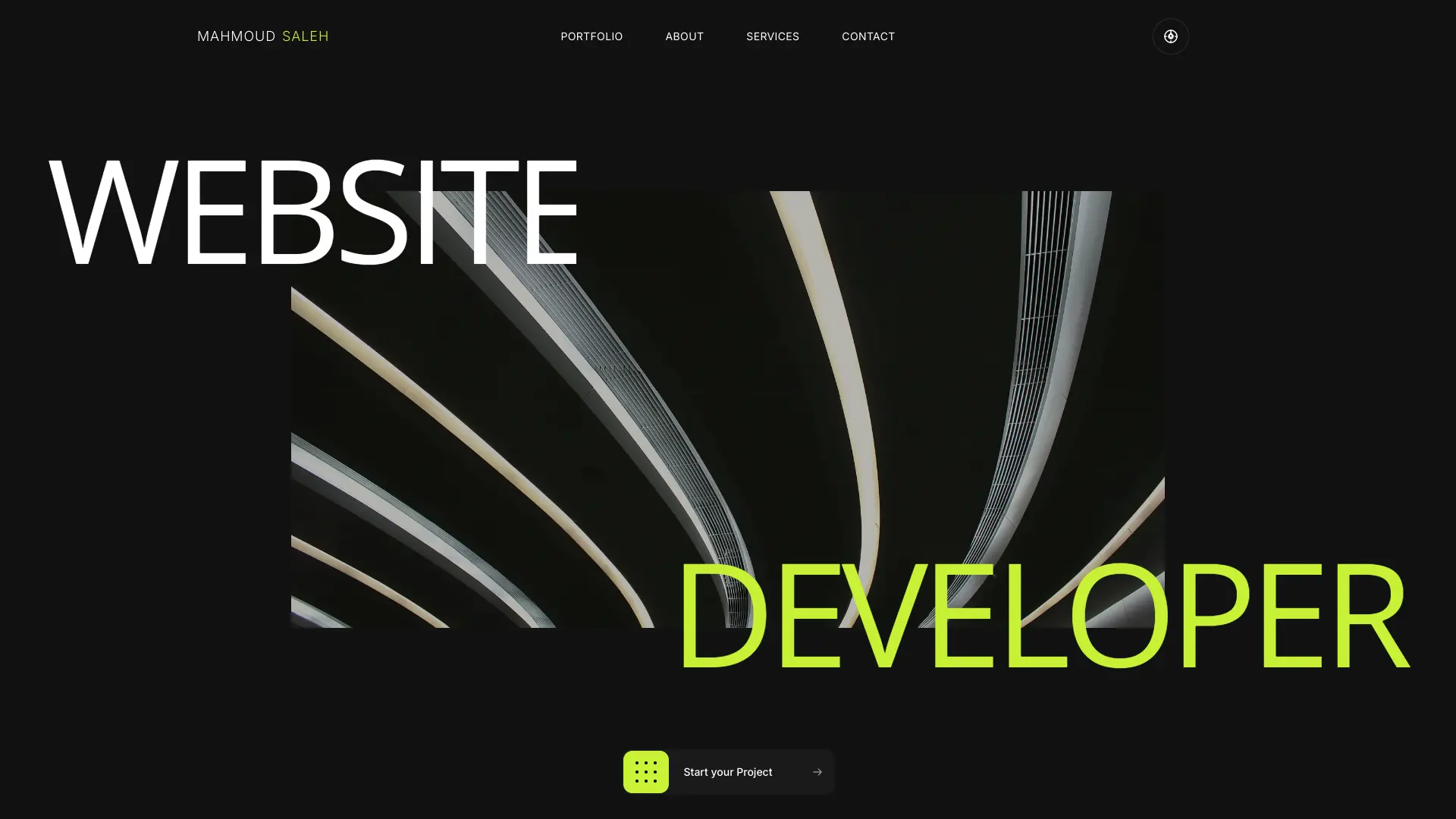
Next.js 16, React 19, Tailwind CSS v4. SEO-first from day one: JSON-LD structured data, OpenGraph tags, semantic HTML, fast Core Web Vitals (1.3s load). Used framer-motion for animations that enhance without distracting. Integrated Google Analytics and Search Console. Created MDX blog system for articles. Same architecture principles I applied at FMT: fast, scalable, SEO-optimized. No compromises on performance or discoverability.
Challenges in Creating My Portfolio
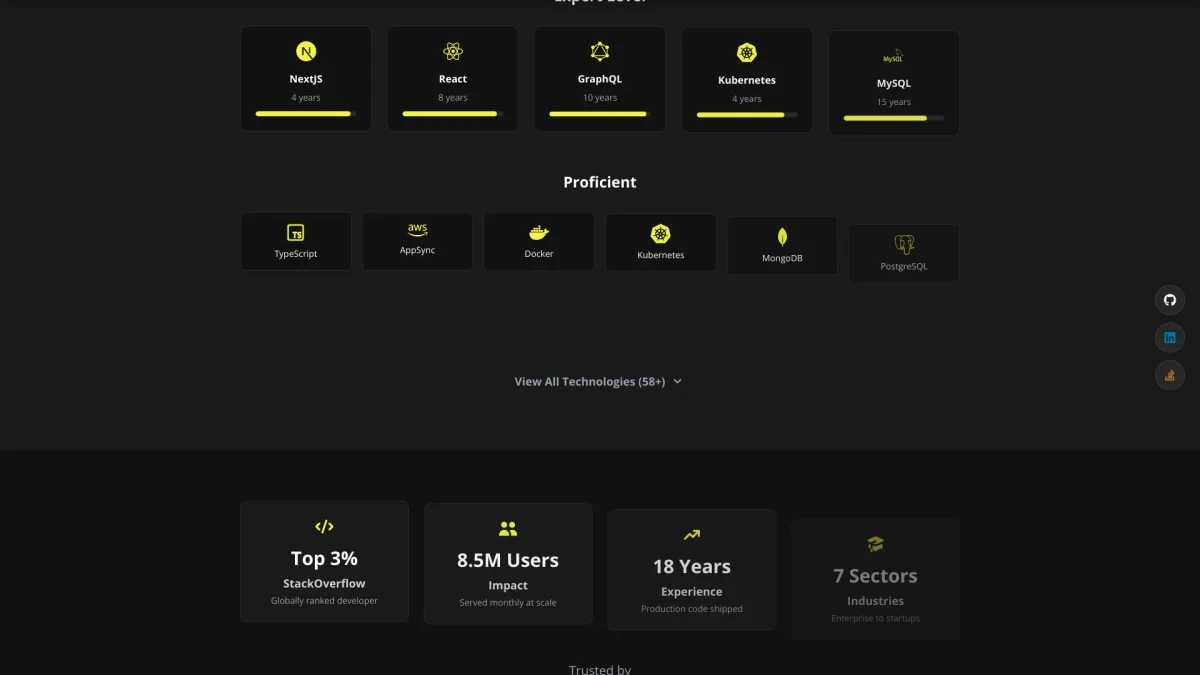
Balancing authenticity with professionalism—how do you show 18 years without sounding arrogant? How do you prove capability when 116 projects are under NDA? Technical: preserving SEO while adding animations. Every component needed meta tags, JSON-LD, semantic HTML—zero compromises. Content: my instinct was listing technologies. Had to relearn that recruiters don't care about "tech stacks"—they care about problems solved and results delivered.
How I Overcame Those Challenges
Replaced marketing language with hard metrics. "Improved performance" became "75% load time reduction (5.2s→1.3s)". Numbers do the talking. For NDAs: 34 public projects demonstrate capability, 116 confidential prove scale without breaking trust. For SEO+animations: studied framer-motion docs, tested every animation for performance, preserved all metadata. For content: rewrote everything 3 times. First draft was tech-focused. Final leads with business impact.
Inspiration
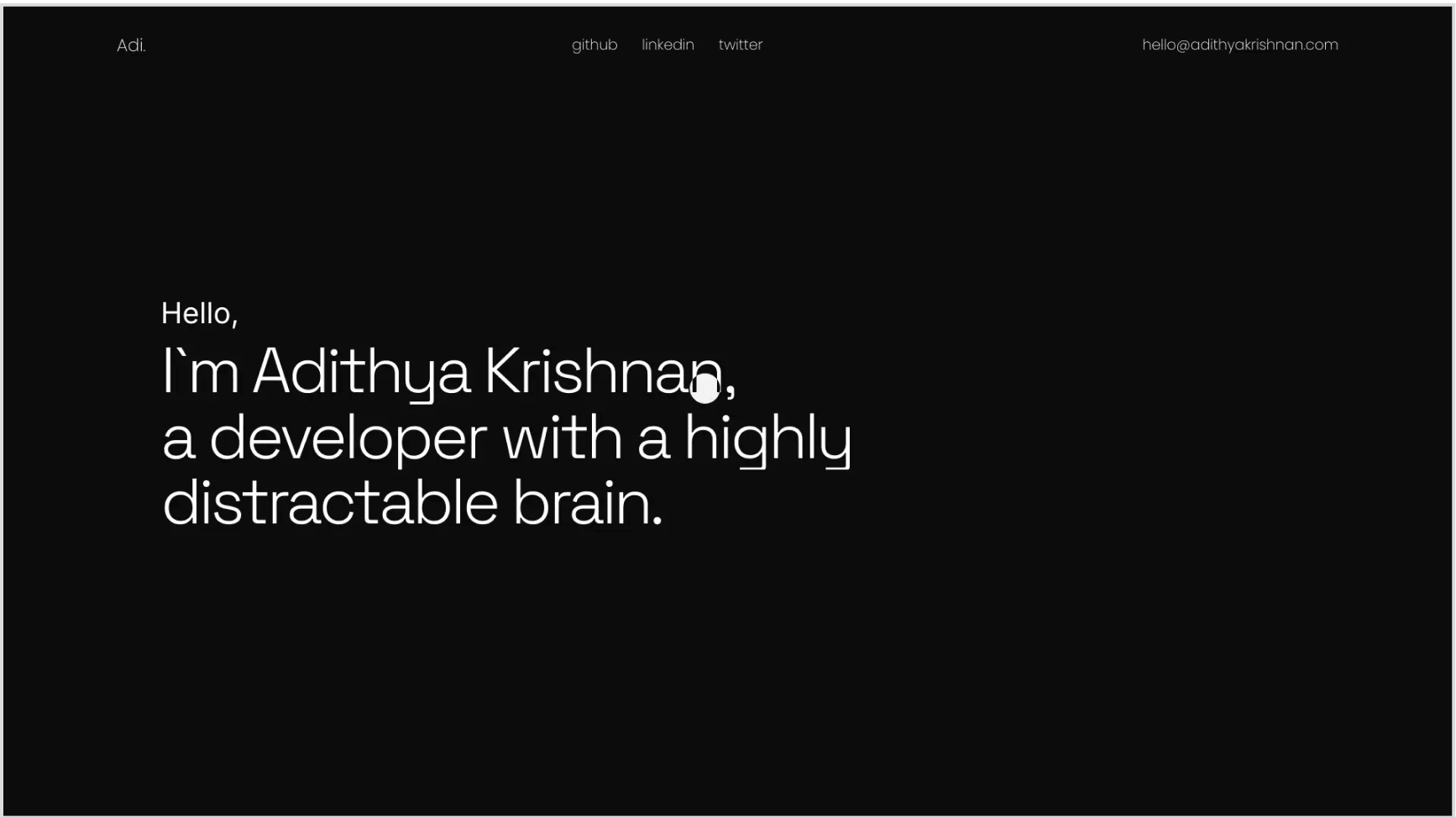
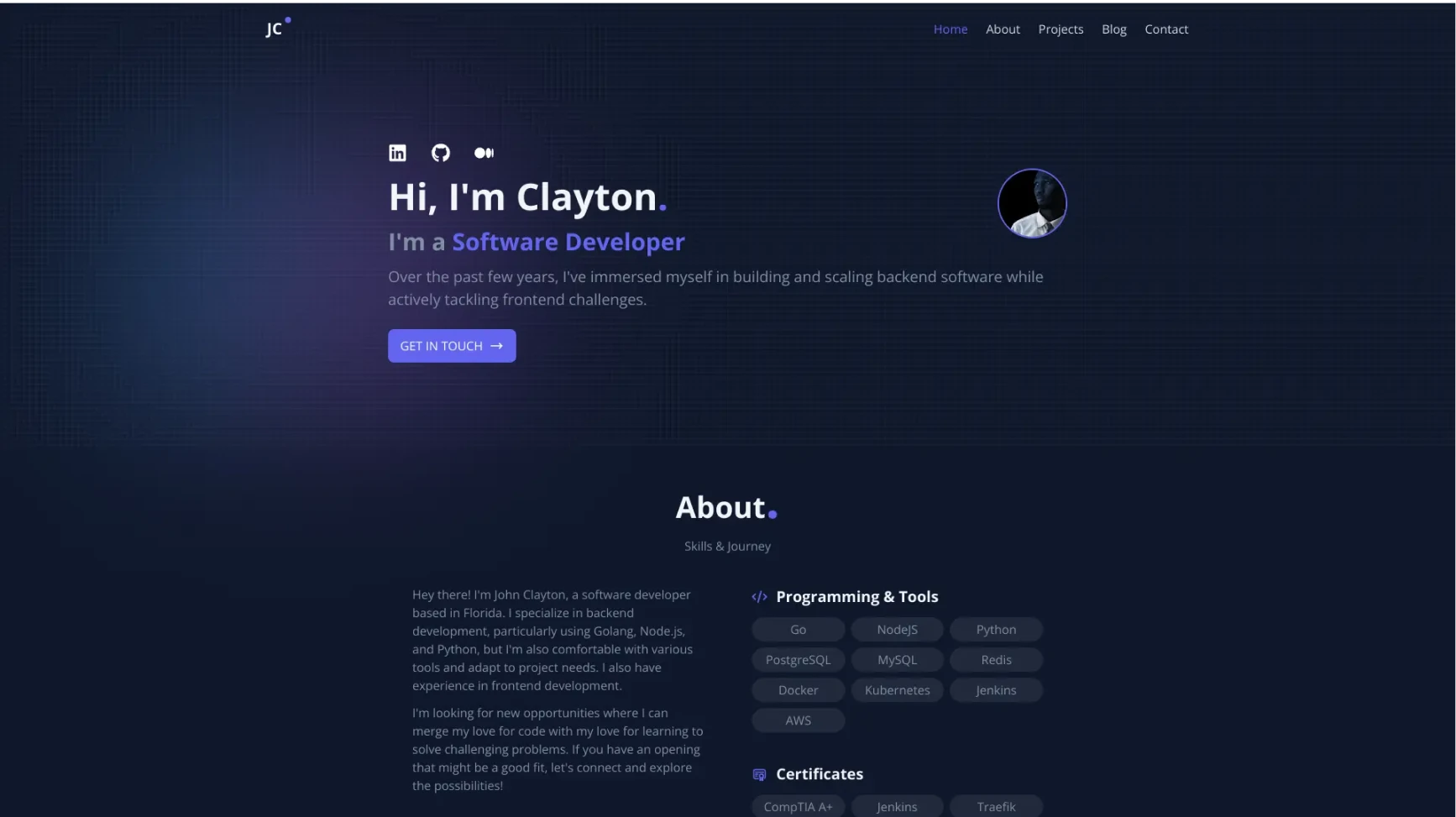
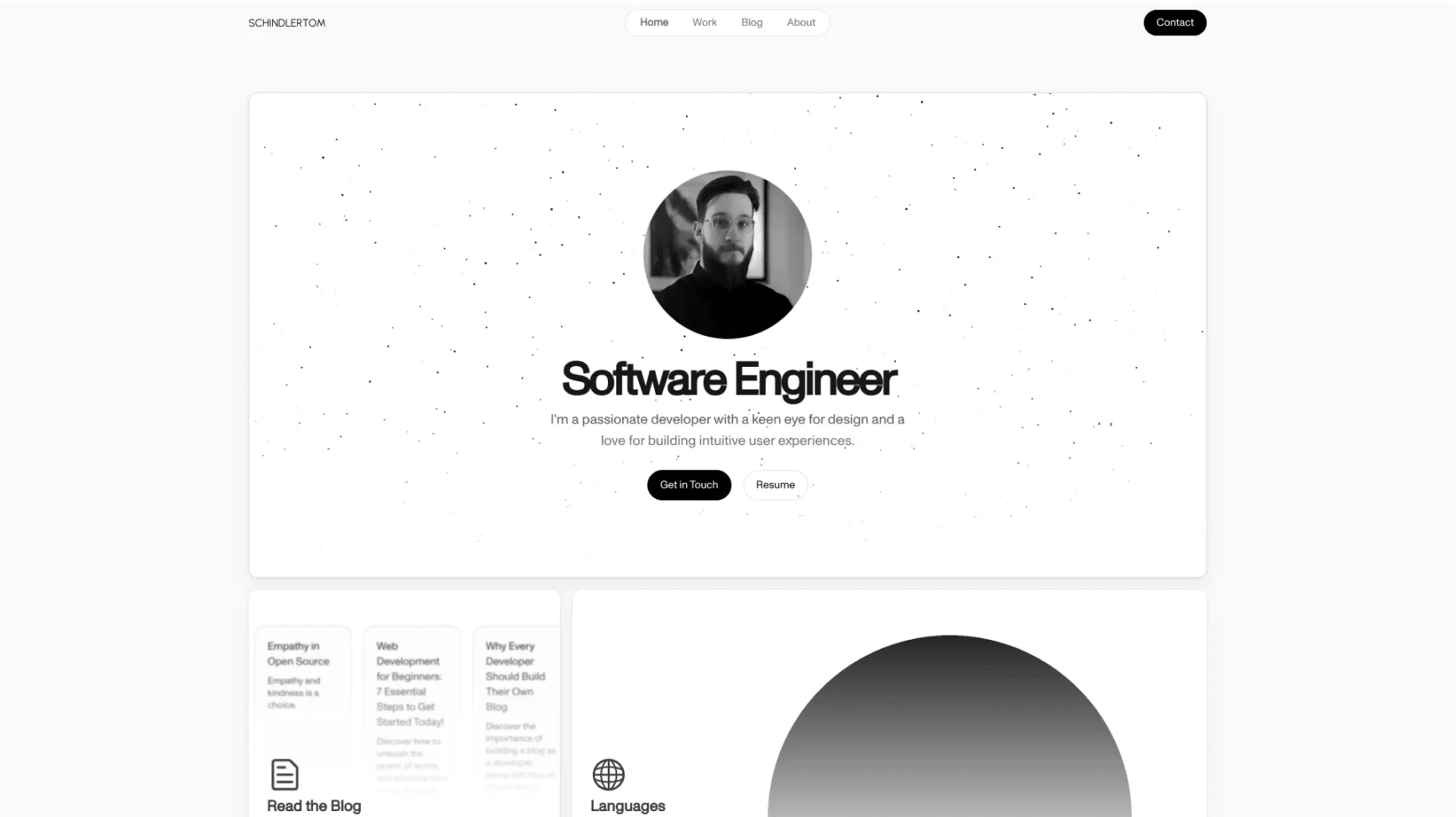
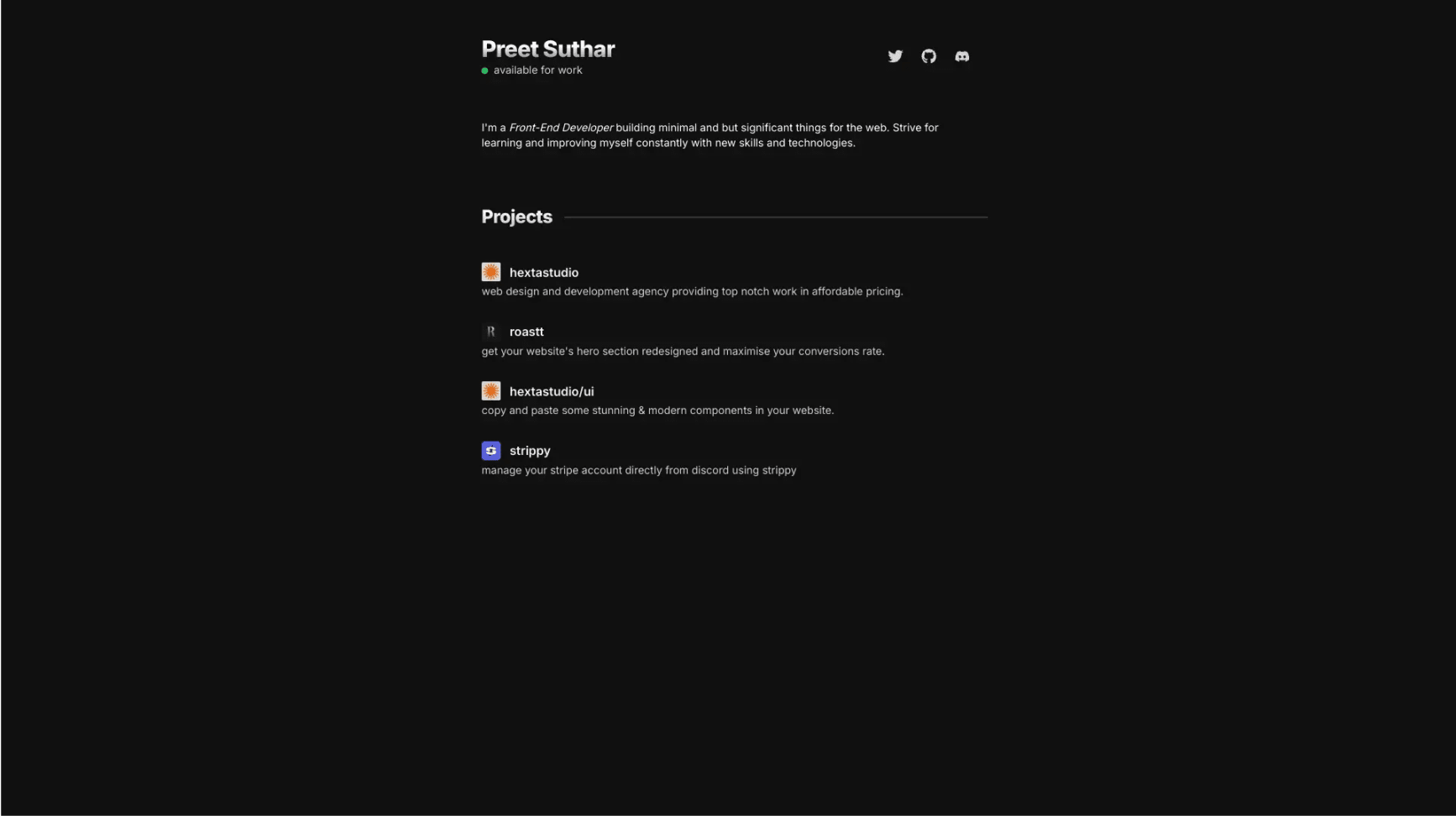
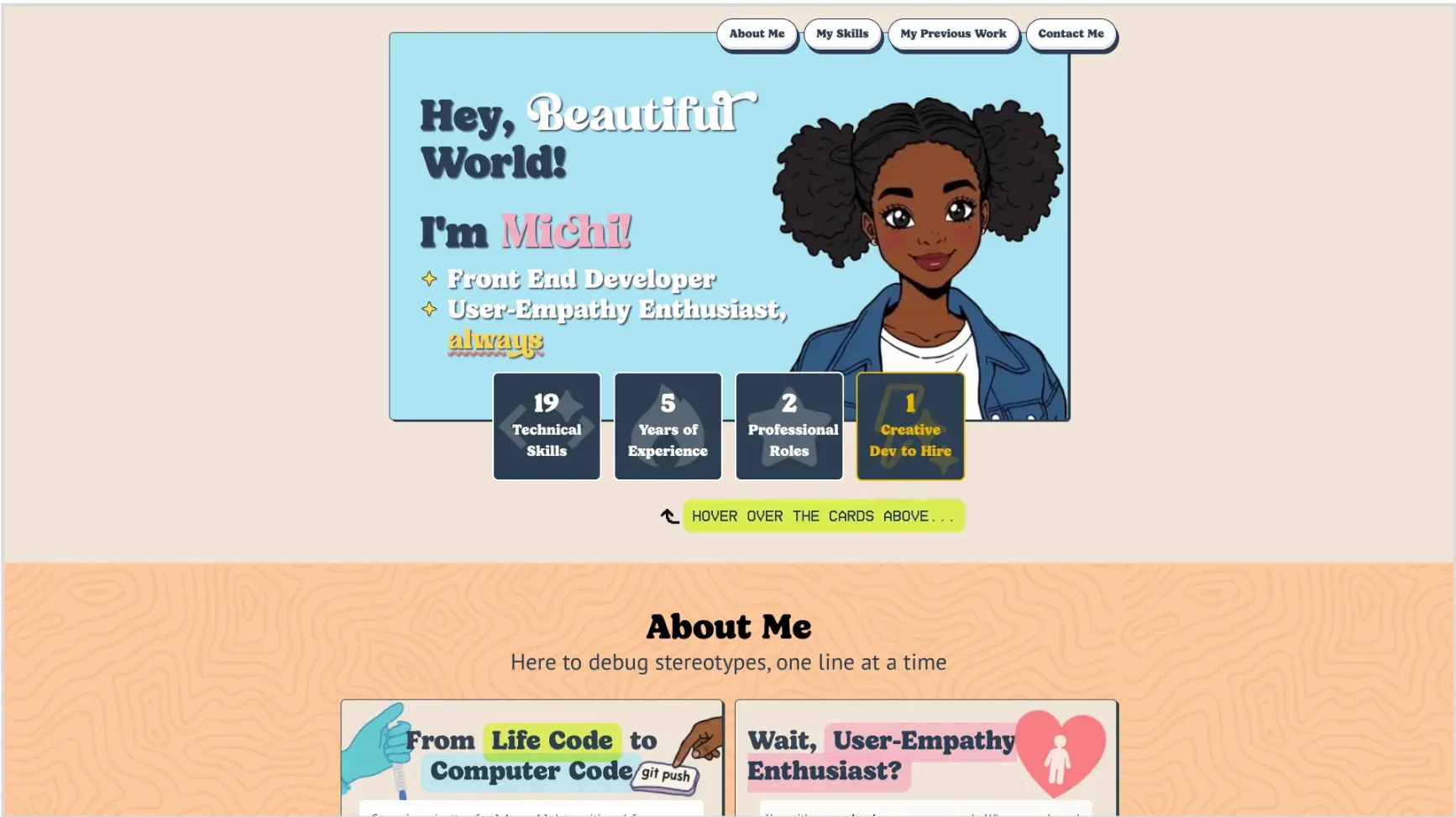
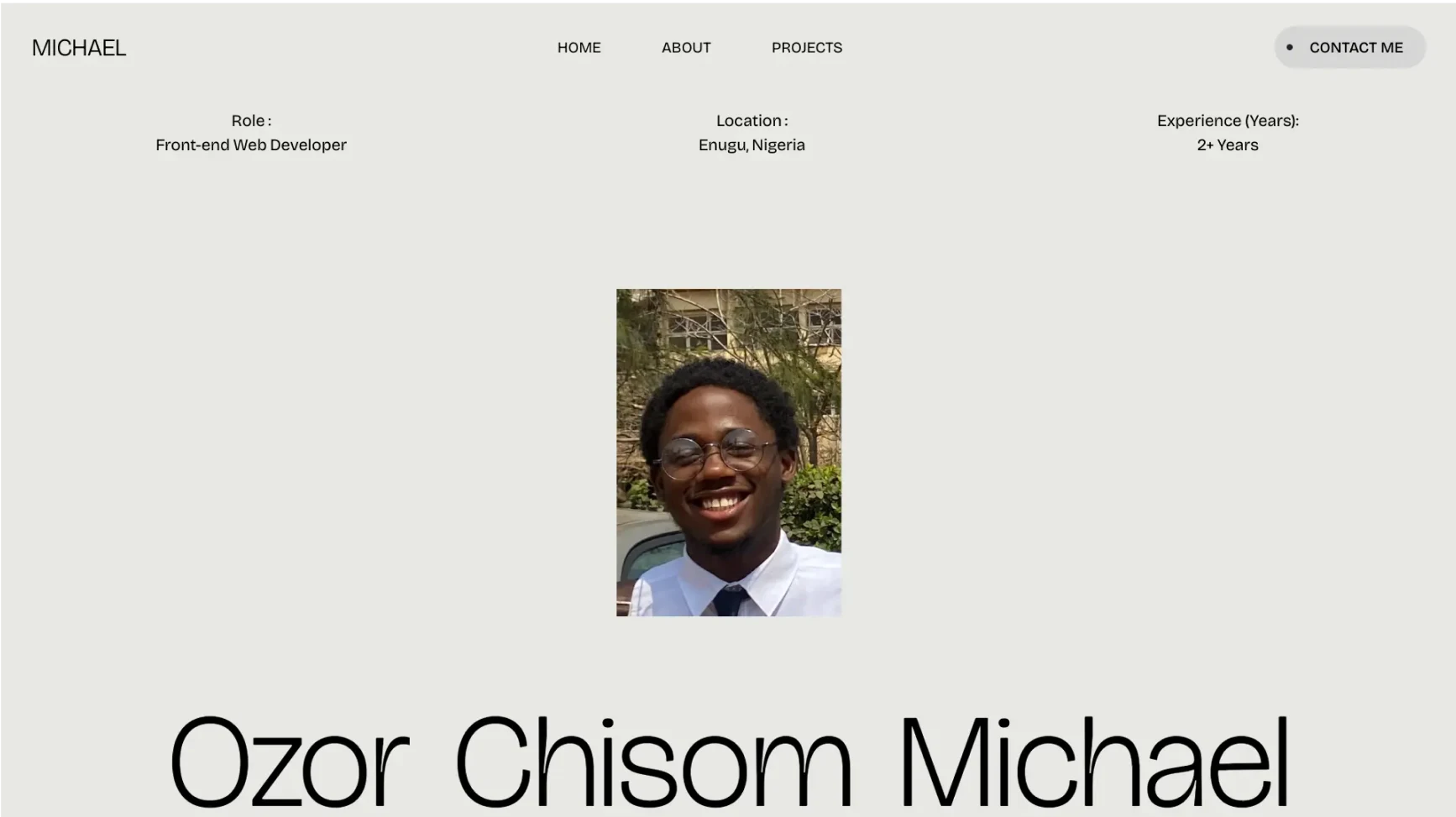
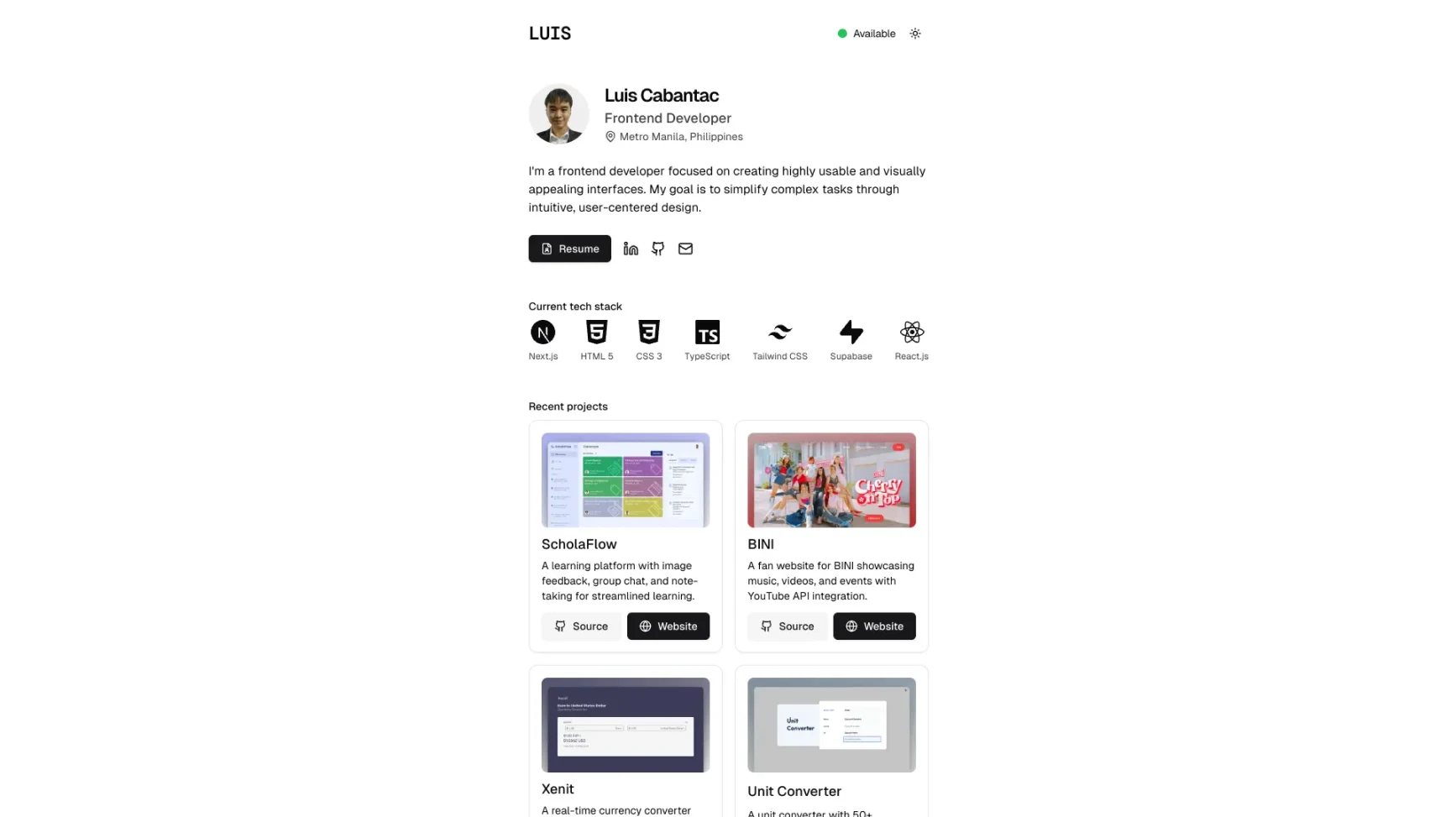
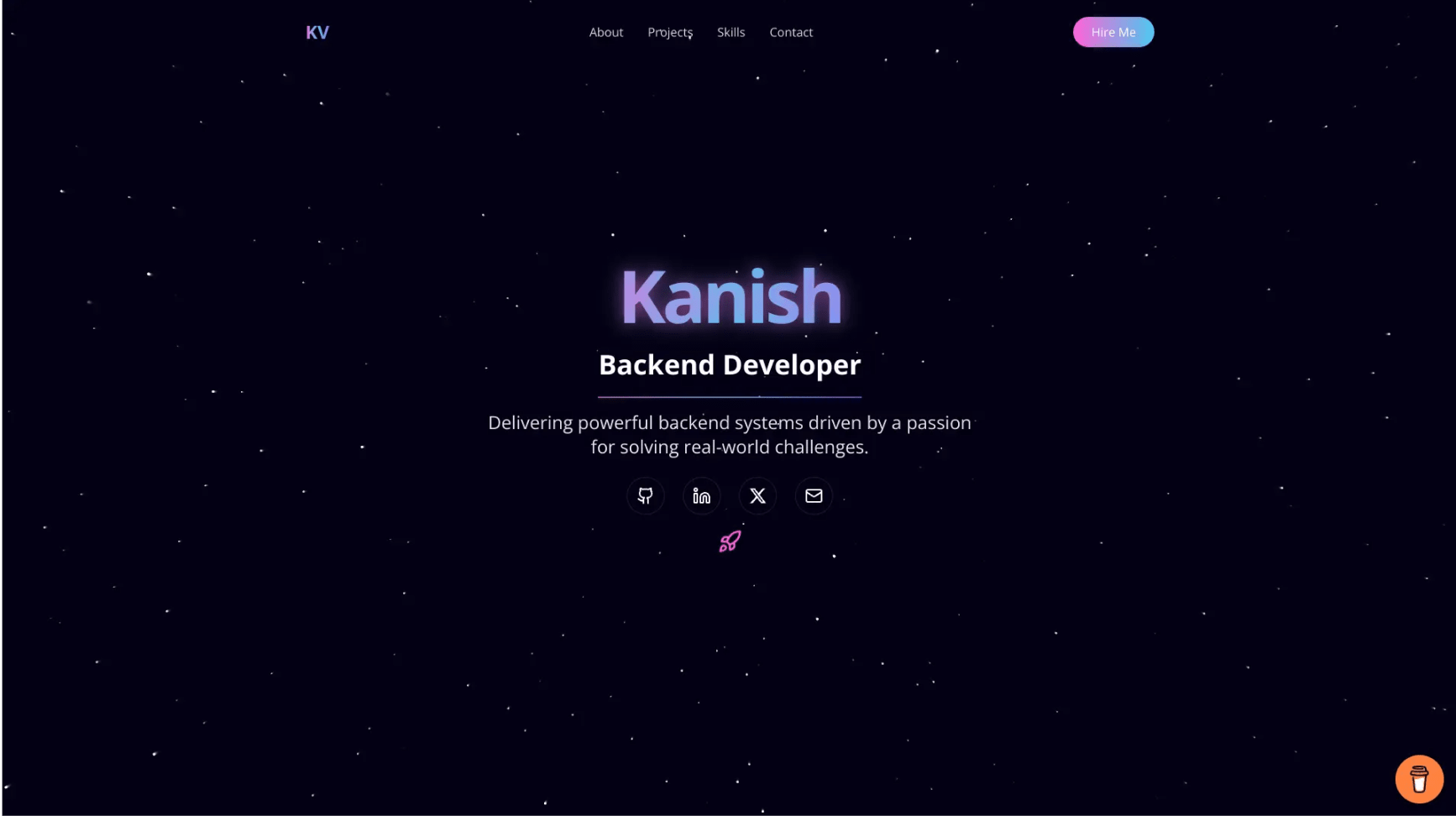
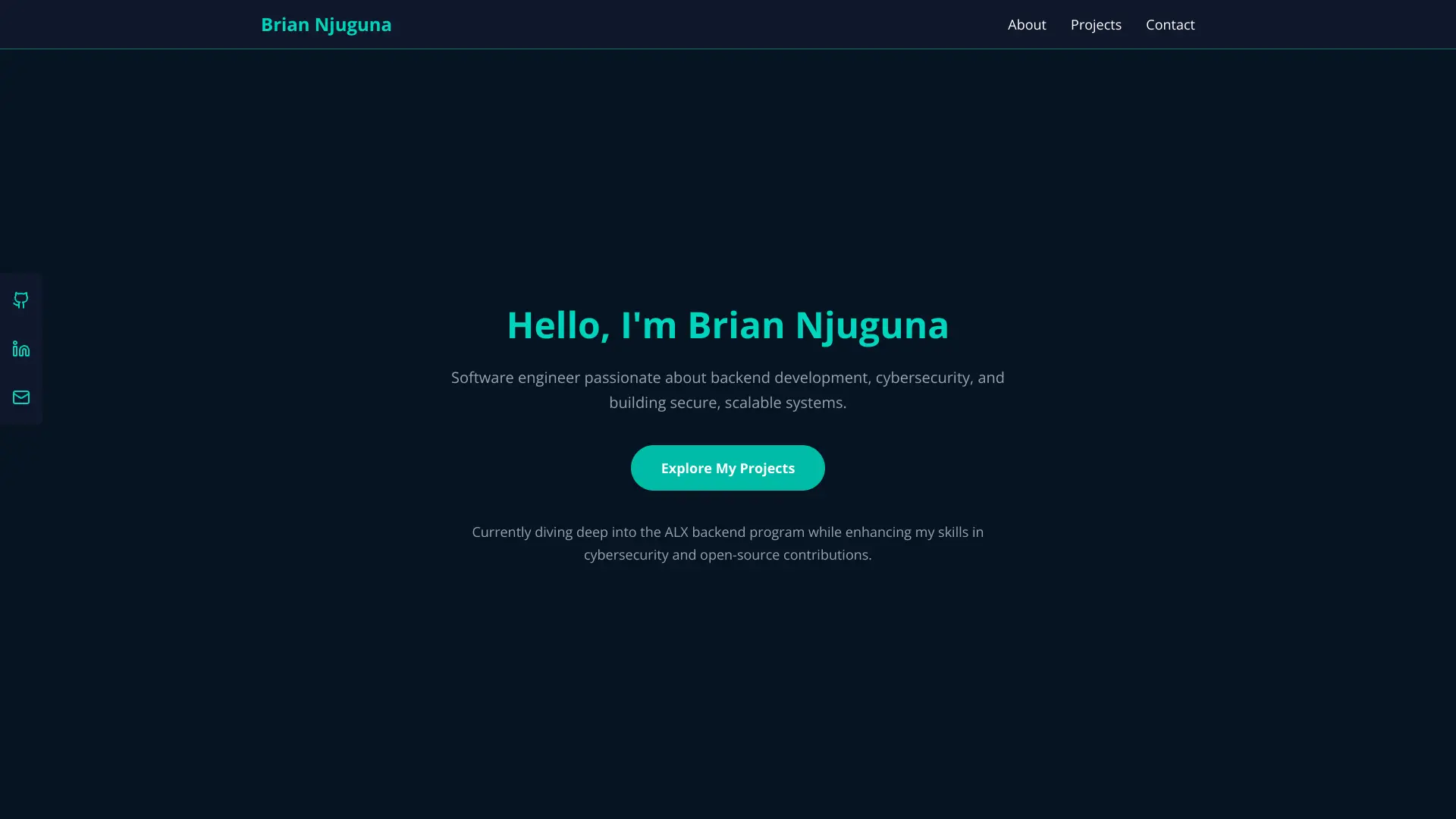
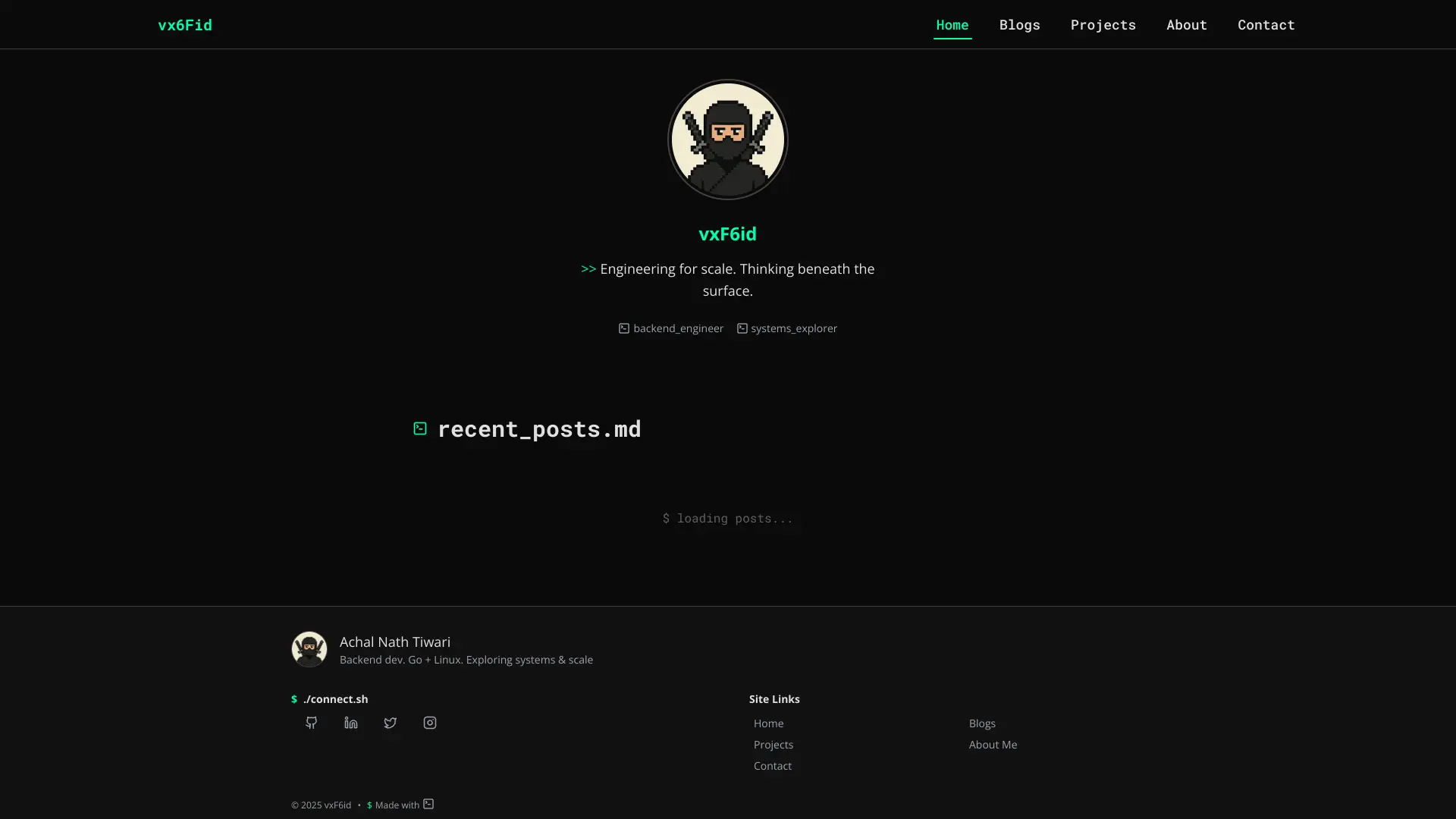
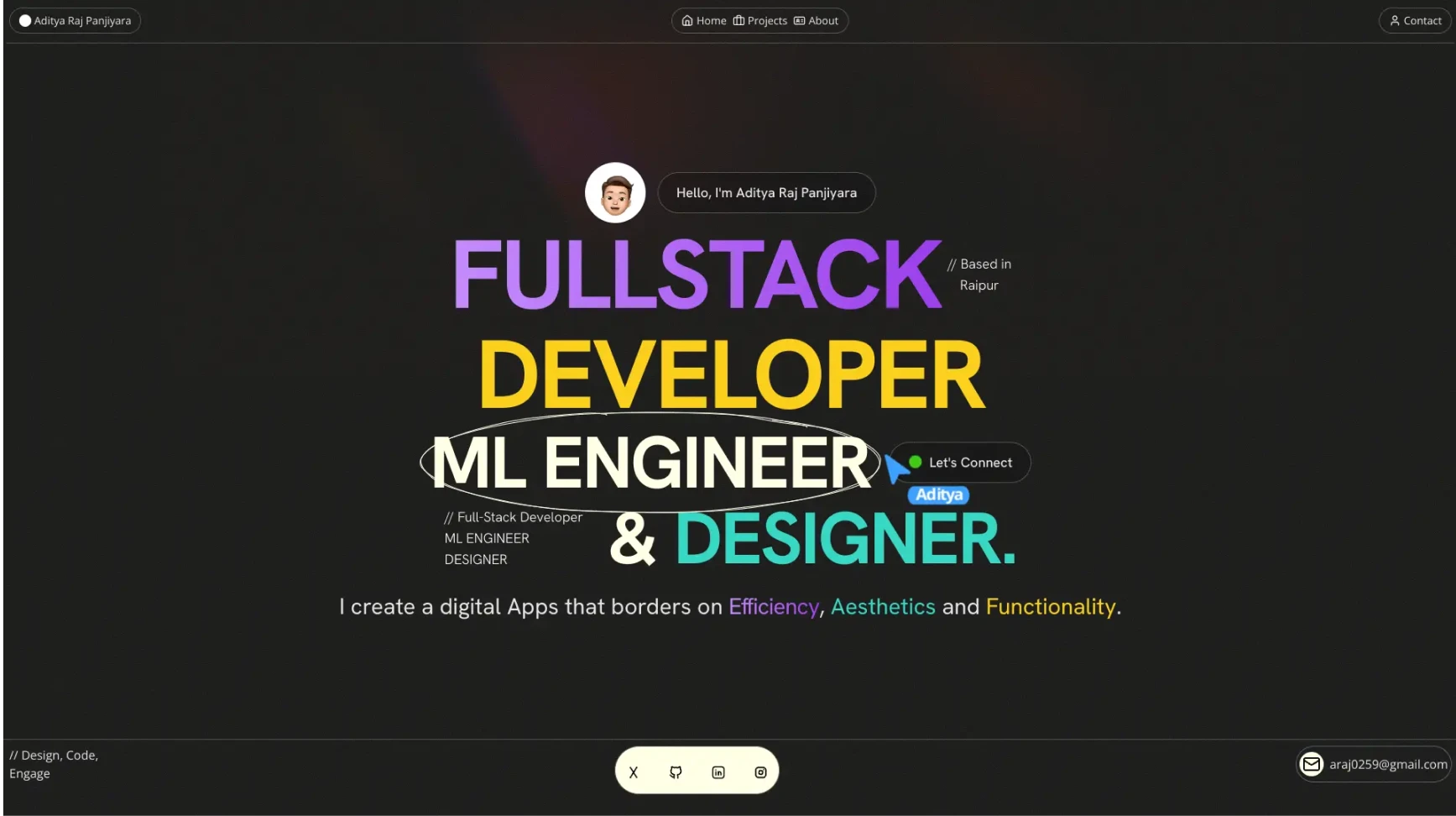
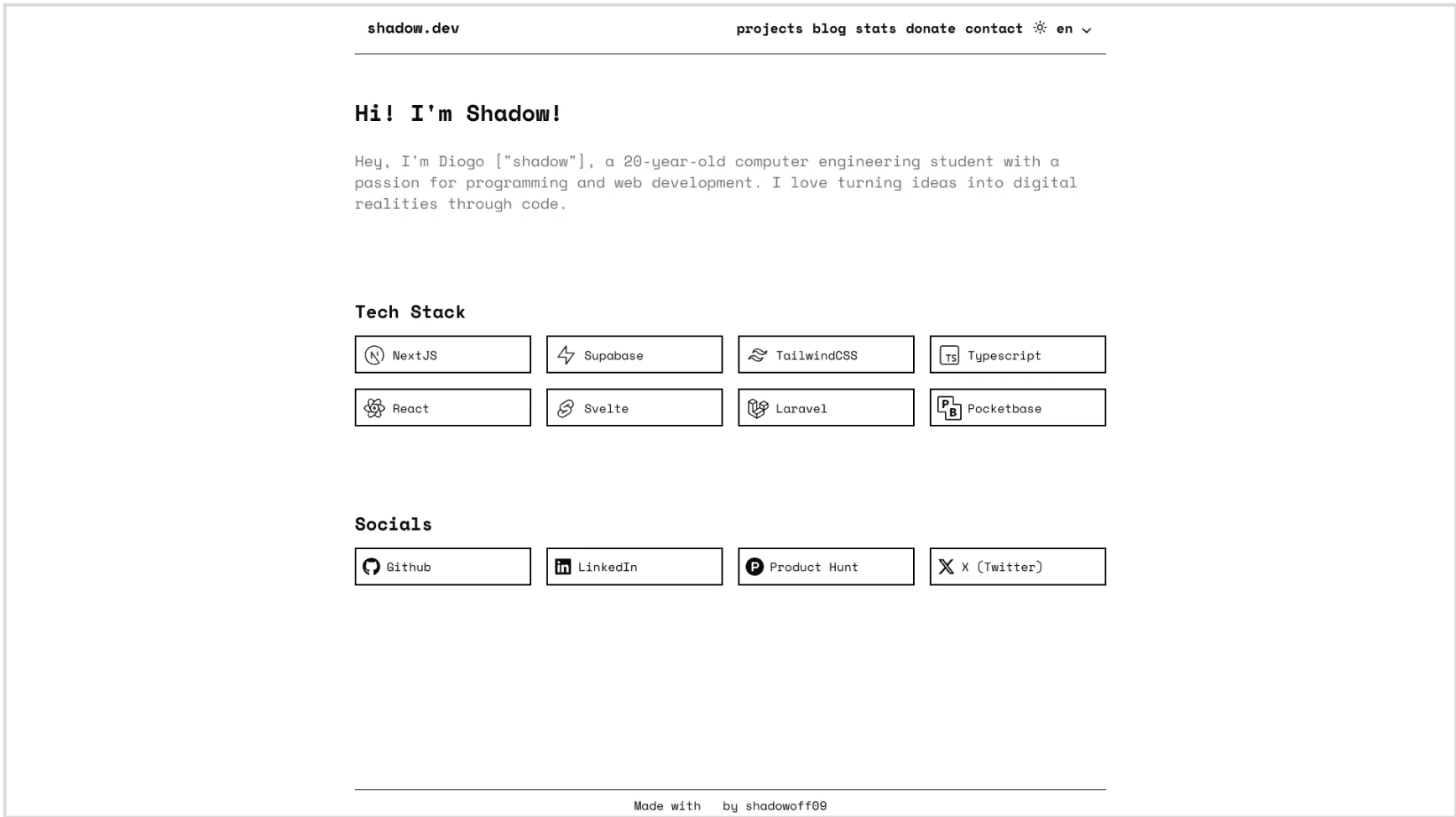
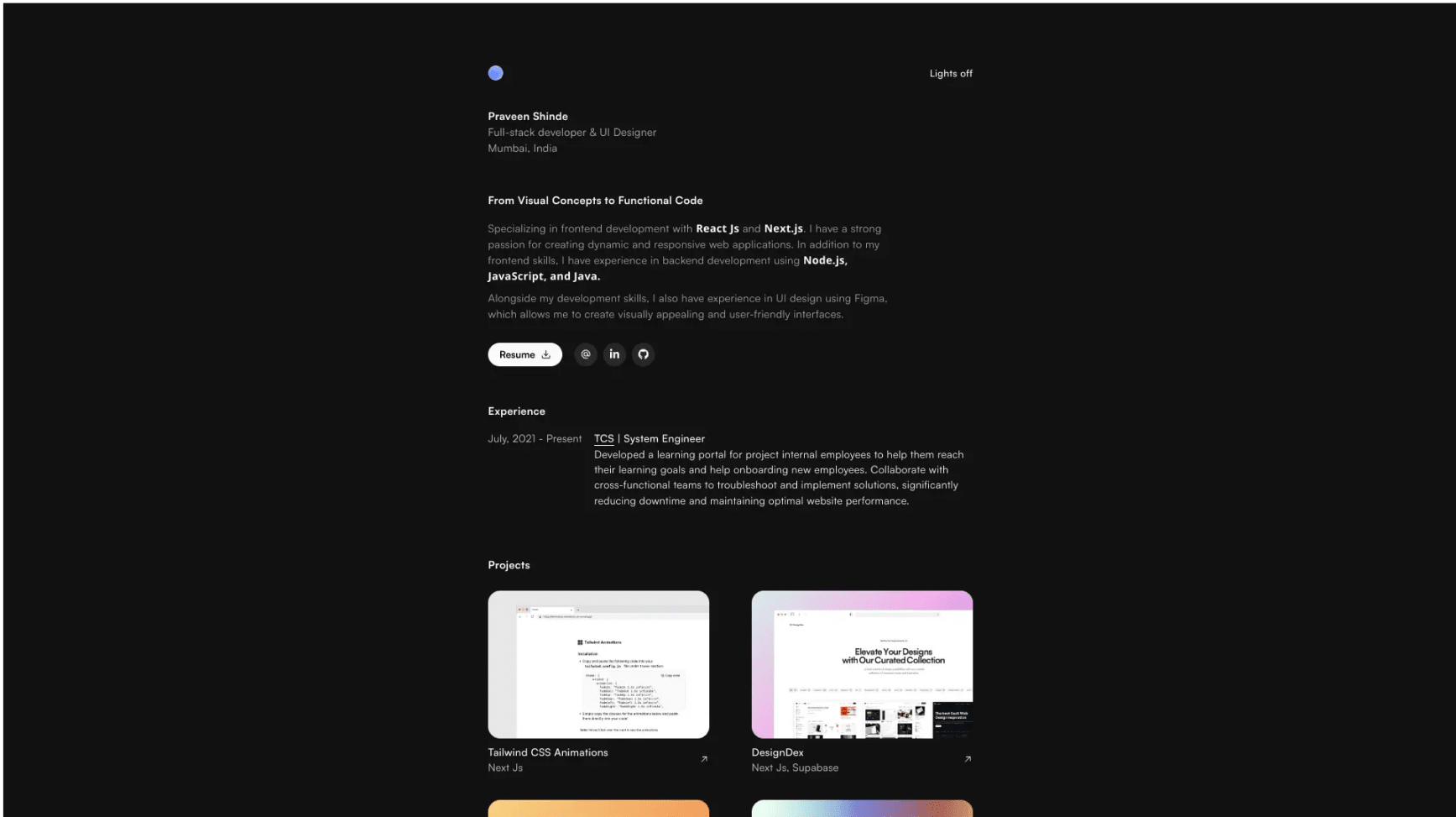
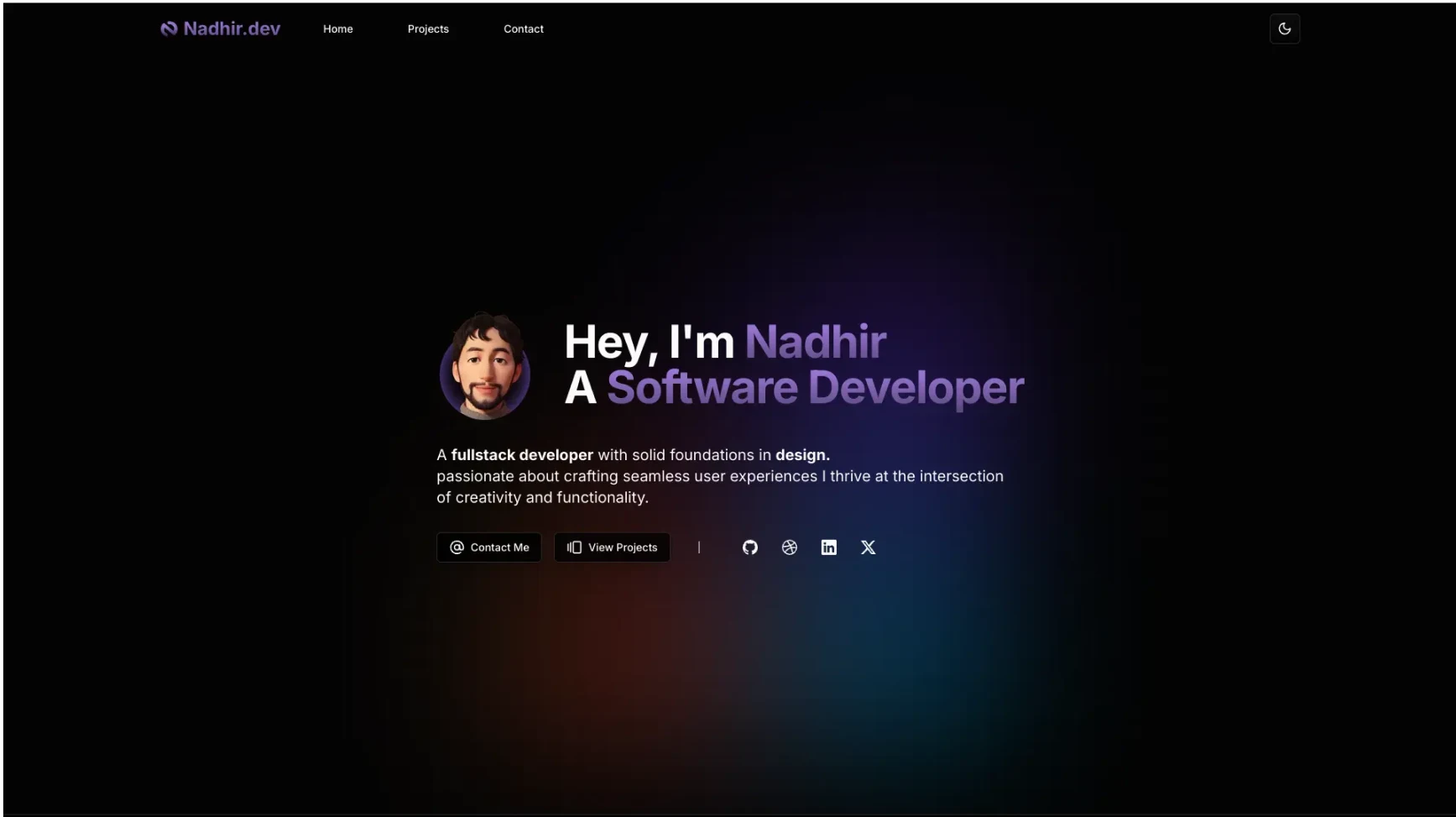
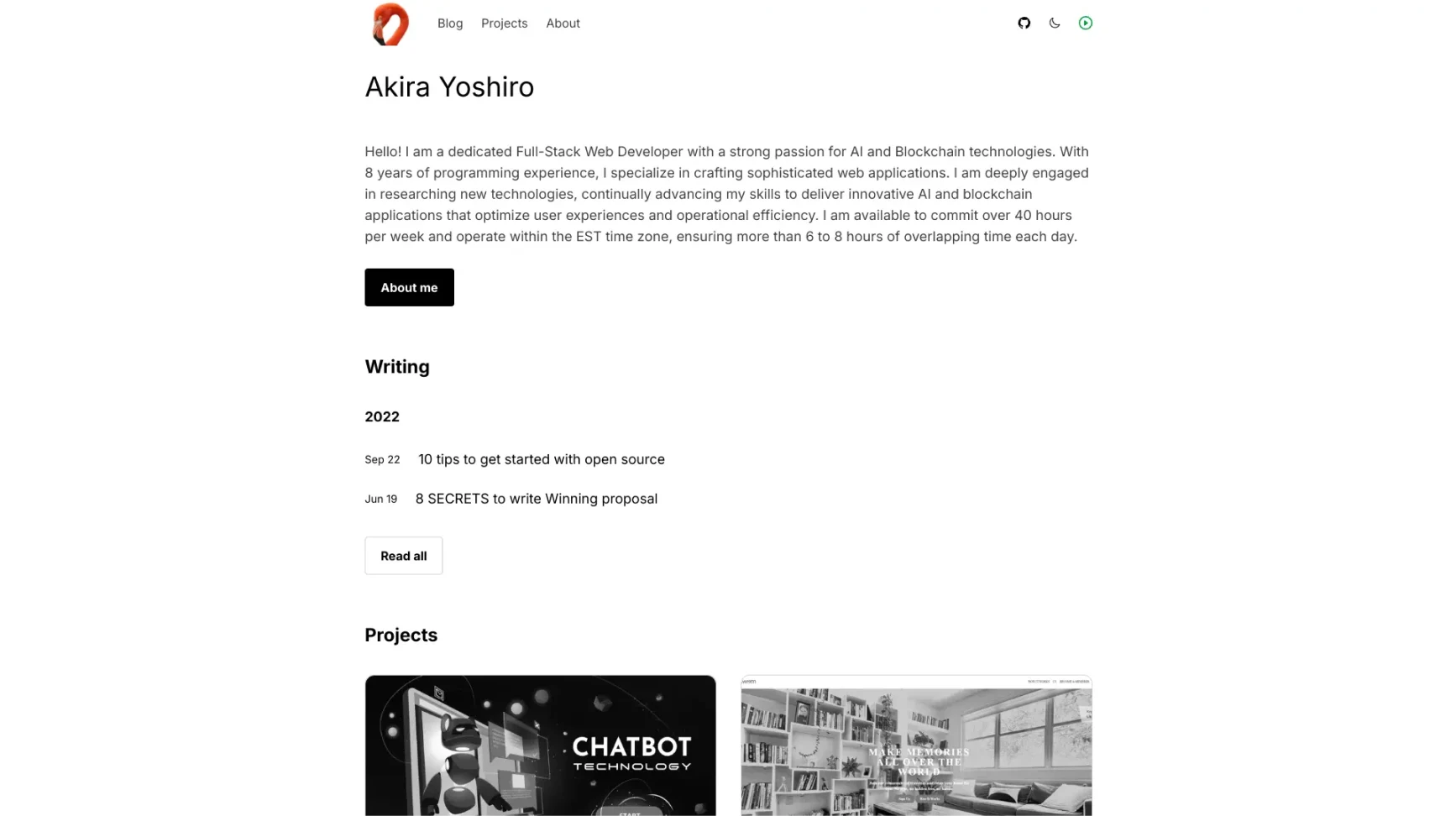
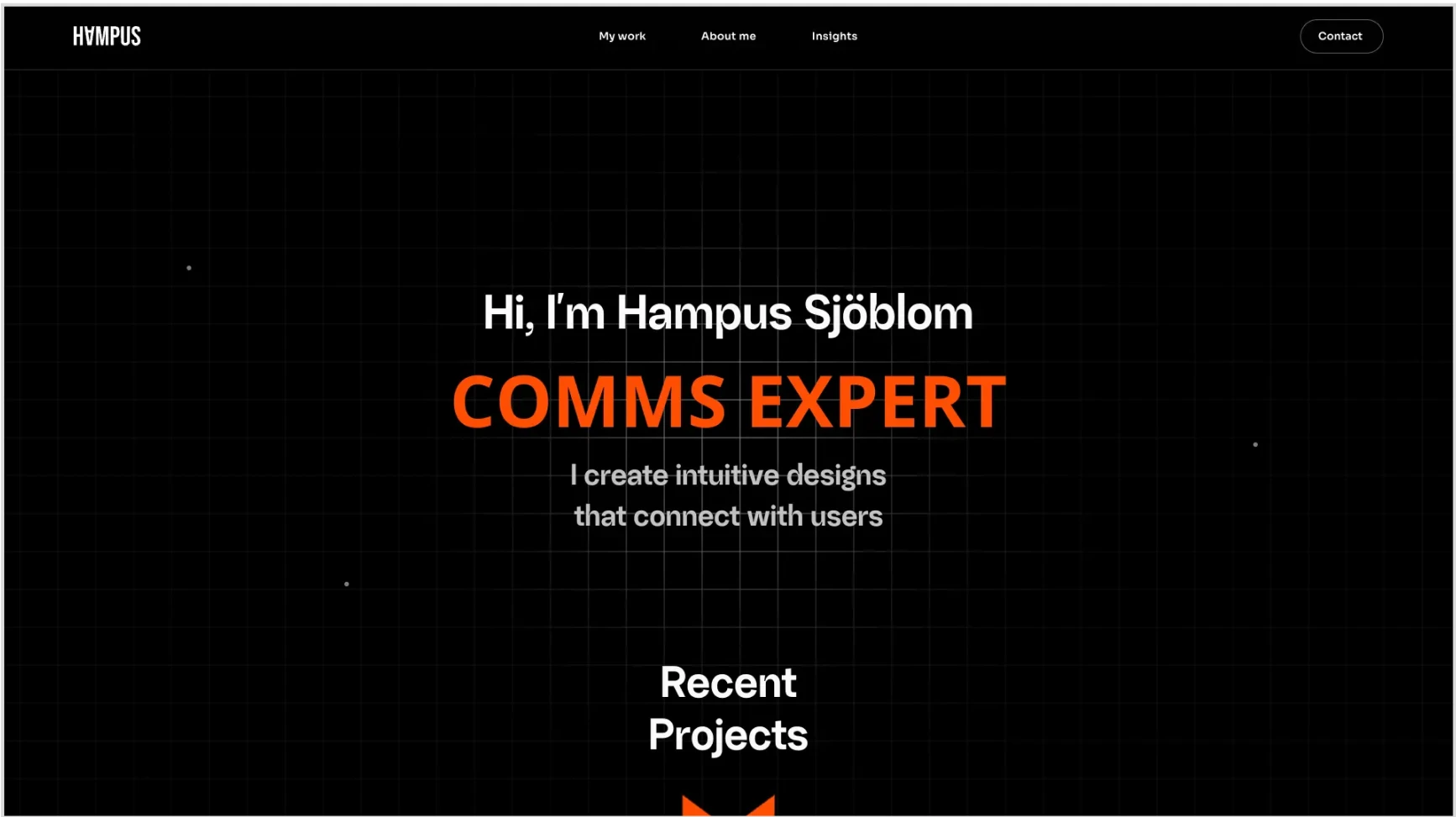
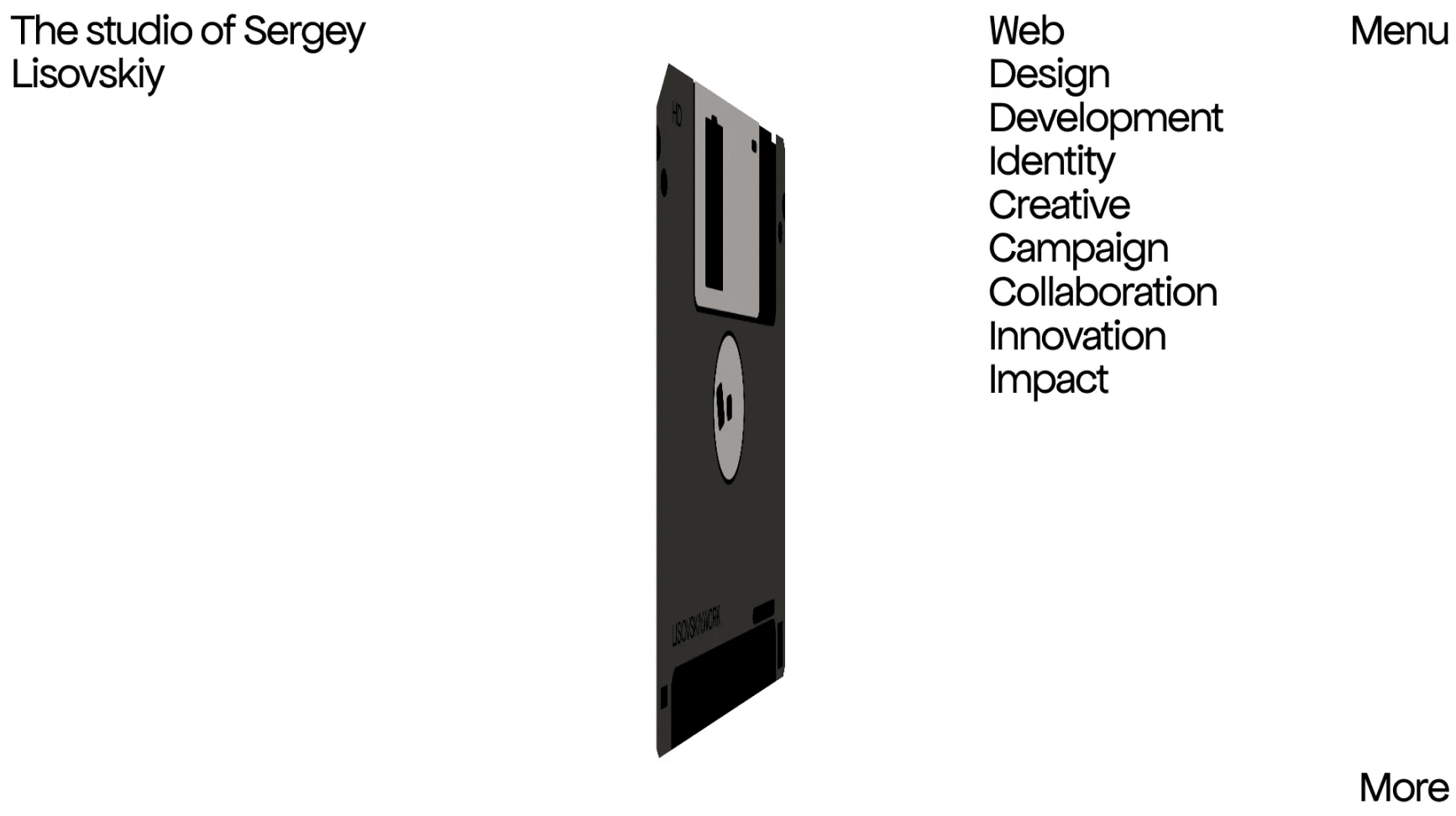
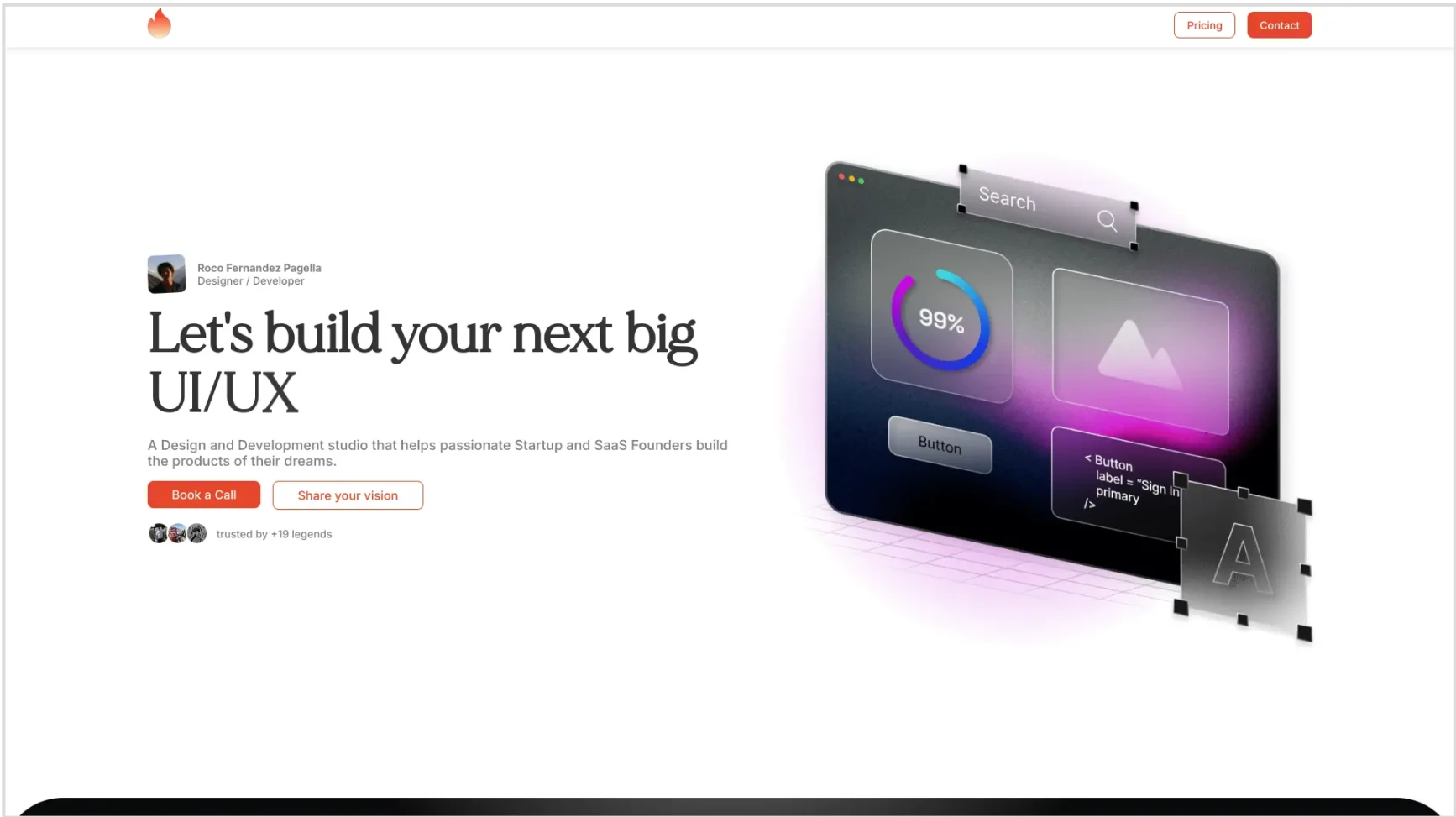
From failure: FMT's V2 crisis taught me honest technical storytelling resonates more than polished marketing. Traffic dropped 31%, database throttled 100%—that vulnerability became my strongest positioning. From other portfolios: studied 50+ developer sites. Most showcased skills, few showcased impact. That gap was my opportunity. From 18 years experience: not the languages you know, but problems you solve. Not frameworks you use, but users you serve.
Lessons
Learned that positioning matters more than perfection. Spent weeks perfecting animations, but the FMT crisis story (31% traffic drop) got more attention than any design flourish. Discovered the power of specificity: "reduced costs" → "RM 540K annual savings" changes everything. Technical learning: mastering framer-motion while preserving SEO taught me that user experience and discoverability aren't opposing goals—they're complementary when architected correctly.
Future Plans for My Portfolio
Continuous updates: monthly blog posts on Next.js, performance optimization, scaling strategies. Update FMT metrics as platform grows toward 10M users. January 2026: document FMT V4 launch (AI integration). Add video project walkthroughs. Create testimonial section. Build case study library covering real problems: WordPress migrations, database scaling, traffic recovery strategies. Goal: portfolio becomes industry resource, not just resume. Thought leadership through teaching.